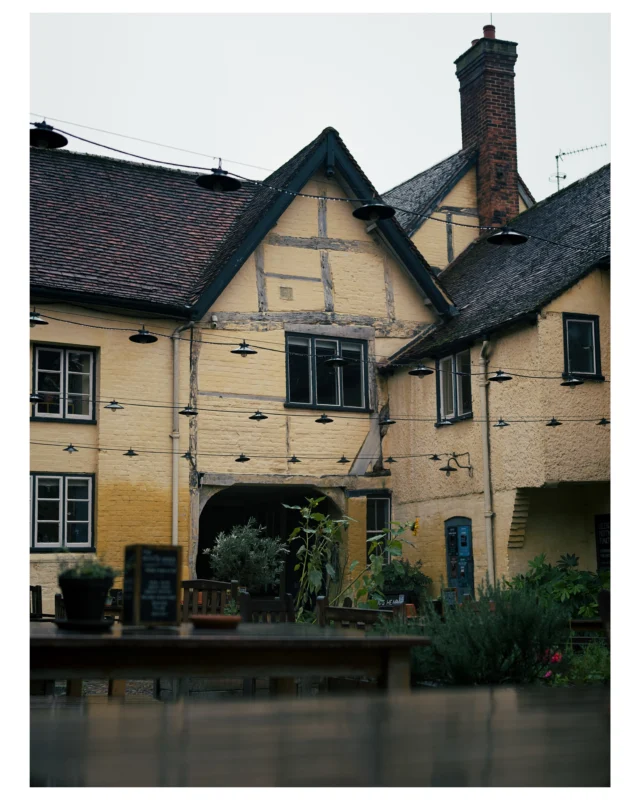
Historic pubs cannot be valued as modern trading machines
The Valuation Office (VO) must explain why the assessed rental capacity of these historic pubs has risen so sharply when the constraints on operating them remain so substantial.
Across the 12 properties listed by Dr James Wright, a buildings archaeologist who worked on behalf of Historic England, has shown that aggregate rateable value rose from £523,600 in 2023 to £768,250 in 2026 an increase of 46.7%. Individual increases include 132.5% at the Angel in Grantham, 82.3% at the George Inn in Norton St Philip and 66.0% at the George and Pilgrims in Glastonbury.
See our analysis Oldest pubs in England Analysis
These figures do not, by themselves, prove overvaluation BUT they do demand something more convincing than a general reference to recovery or higher turnover from the VO.
Higher prices are not greater prosperity
A pub can under post pandemic inflation (and rising costs) take more money across the bar while selling less beer and earning less profit. Industry figures for the year to February 2025 illustrate precisely that distinction: on-trade beer volumes fell 2.2%, while sales value rose 2.3%. That is not evidence of expanding demand; it is consistent with higher prices and changes in the mix of drinks sold.
A larger till total is not a larger rental surplus. Where additional revenue is consumed by wages, energy, maintenance and supplies, treating that revenue as evidence of greater rental capacity risks confusing inflation with prosperity.
A competent operator cannot manage away a medieval staircase or narrow corridor
Historic pubs are not interchangeable with modern, open-plan premises. Their commercial limitations can be built into the fabric: fragmented rooms, awkward circulation, separate serving areas, inefficient kitchens, difficult deliveries and accommodation that is expensive to maintain and staff.
Where conservation restrictions prevent meaningful adaptation, these disadvantages are not temporary shortcomings awaiting a more enterprising tenant. They are enduring characteristics of the property.
A reasonably efficient operator can organise staff sensibly. They cannot assume away the extra staff a difficult layout requires. Nor can they simply remove historic walls, relocate staircases or redesign protected interiors to match a modern operating model.
The valuation must address the building that can lawfully and practically be operated, not an imaginary, more efficient version of it.
Recognition on paper is not enough
The Valuation Office’s own 2026 guidance recognises this. It identifies listed buildings, limited potential for physical adaptation, higher repair liabilities, energy costs and staffing requirements as factors pointing towards lower rental percentages. It also acknowledges that operating costs may have risen faster than turnover. In fact the VOA has zero or token rated a number of museums Of note the Kings Gallery in London (formally the Queens Gallery) operates out of a Georgian wing of Buckingham Palace, was rated at £520,000 now rated at £0 by the VO – the Gallery charges £24 for entry. Summary valuation – Valuation Office – GOV.UK
Seemingly because they occupy historic / high maintenance buildings, BUT none of which are as old as the 12 pubs in the following article which we analysed: Which is really England’s oldest pub? Tree-ring dating helps settle debate | Heritage | The Guardian
The criticism, therefore, is not that the VO’s guidance contains no recognition of historic-building disadvantages. It is that recognition must be demonstrable in the individual assessment of these pubs, rather than merely using reassuring language in a guide.
For each property, the VO should explain:
- What level of trade is genuinely maintainable, rather than simply achieved through higher prices or exceptional individual effort?
- How have unavoidable additional staffing, energy and maintenance costs affected the rental percentage?
- How have restrictions on adaptation been reflected?
- What comparable rental evidence supports the final figure, after allowing for material differences between buildings?
- Why are 600 year old pubs expected to pay rates when 200 year old museums or galleries do not?
Heritage appeal does not cancel heritage costs
Historic character may attract customers. That potential advantage deserves consideration, but so do the costs of providing the experience.
If heritage attracts a premium in the valuation, its operational burdens cannot be treated as an inconvenient footnote.
Equally, an owner’s commitment to keeping a difficult historic pub open is not, by itself, evidence that a new tenant would willingly pay a substantially higher rent. Continued operation and increased rental capacity are not the same thing.
The test is rental reality
The pandemic-affected basis of the 2023 list means that some rebound requires context. The properties also differ in their food, drink and accommodation businesses. Neither qualification removes the need for a credible, property-specific explanation.
The VO does not have to prove that these buildings are easy to operate BUT it does have to substantiate the rent attributed to them despite their difficulties.
Until the underlying assessments demonstrate that connection, these sharp increases deserve rigorous scrutiny. Historic pubs should be valued on their sustainable rental capacity with their restrictions and unavoidable costs fully recognised not on the comforting fiction that higher prices mean healthier businesses.
For help with your business rates contact us here